1. Start with Room Function and Flow
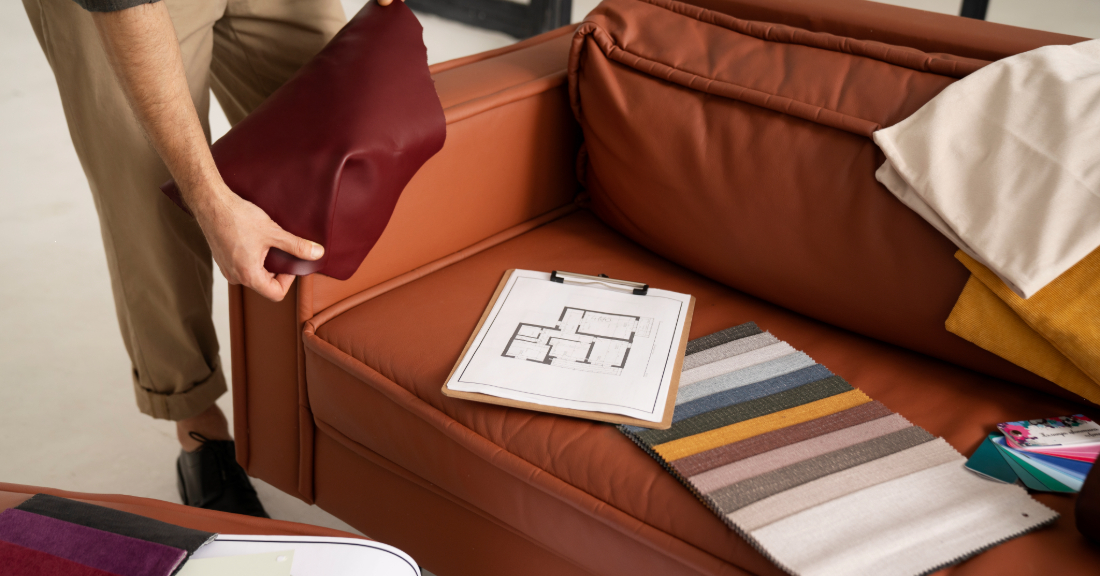
Before moving a single piece of furniture, define the purpose of the room. Is it a living space for relaxation, a dining area for entertaining, or a workspace? Identifying the primary function will guide your layout choices. Once that’s clear, consider the flow of the room—how people will walk through the space. Avoid blocking natural pathways or access points like doors and windows. Good furniture arrangement prioritizes both function and easy movement, creating a natural and comfortable layout.2. Anchor the Space with a Focal Point
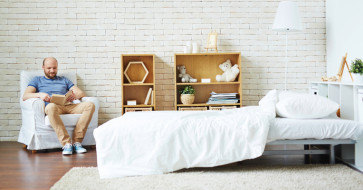
Every room needs a focal point—it gives the eye a place to rest and helps ground your furniture. In a living room, this might be a fireplace, a television, or a large piece of artwork. Arrange your main seating or furniture pieces around this focal point to create balance and direction. In a bedroom, the bed typically serves this role, while in a dining room, the table takes center stage. Once the focal point is established, other pieces can support and enhance that central element.3. Use Proportions and Scale Wisely
One of the most common mistakes in furniture arrangement is ignoring the size of furniture relative to the room. Oversized pieces can overwhelm small spaces, while too-small items may feel lost in larger areas. Maintain a sense of proportion by mixing sizes and allowing for visual breathing room. Group furniture in ways that feel cohesive—for example, pairing a large sofa with a pair of medium chairs rather than bulky recliners. Always measure both your furniture and your space before arranging to avoid crowding or imbalance.4. Maximize Space with Strategic Placement
Strategic placement helps make the most of any room, no matter its size. In smaller spaces, keep furniture closer to walls to open up the center, or opt for floating pieces like open-backed shelves to maintain a light and airy feel. Multifunctional furniture like ottomans with storage or nesting tables can also help conserve space. In larger rooms, avoid pushing everything against the walls—bring seating forward to create intimate conversation zones. Rugs can define areas and add warmth, helping to visually organize the layout.5. Personalize with Accessories and Flexibility
Once the core layout is set, personalize the space with accessories like cushions, lighting, and art. These finishing touches not only enhance the aesthetic but also influence how the space feels and functions. Keep flexibility in mind as well—rooms often serve multiple purposes, especially in smaller homes. Furniture with wheels, modular seating, or lightweight accent pieces can be easily moved or rearranged as needs change. Flexibility ensures your furniture arrangement stays practical and stylish over time.Arranging furniture is both a creative and functional task. With thoughtful planning, proper scale, and attention to flow and focal points, you can design a space that’s both beautiful and livable. Whether you’re redecorating or starting fresh, these tips provide a solid foundation for any room layout.