
Monthly Archives: August 2025
- - August 28, 2025
1. Colors That Feel Like a Hug
Fall 2025 is all about shades that feel like comfort food for the eyes. Think of the rich caramel drizzle on your latte, the deep green of forest walks, and the rusty orange of falling leaves. Those colors are making their way onto sofas, chairs, and even dining tables. The beauty is—they’re not just seasonal fads. They’re timeless, mood-setting shades that make a room feel grounded and warm no matter the month.
2. Materials With a Pulse
Furniture is moving away from that “too-perfect showroom” vibe. This year, people want pieces that look alive—woods with natural knots, handwoven rattan that feels textured under your fingertips, stone surfaces that aren’t copy-paste smooth. These materials carry character. A dining table with weathered edges or a coffee table with a raw stone top doesn’t just fill space—it tells you, “I’ve lived a little, and I’ve got a story.”
3. Curves That Invite You In
One of the most exciting shifts? Furniture is softening up. Sharp - - August 26, 2025
1. The Magic of a Showstopper Piece
Every home has that one spot that feels… well, kind of blah. Maybe it’s the corner where you shoved a random chair, or the wall that’s been bare forever. Statement furniture is like the spark your home didn’t know it needed. It’s that one piece that makes people stop mid-sentence and say, “Whoa, where did you get this?” More than furniture, it’s personality in solid form—it sets the tone, tells your story, and quietly transforms “just a room” into your room.
2. Less Is Definitely More
Here’s the thing: you don’t need five bold pieces fighting for attention. One is enough. Think of it like picking the main character in a movie—everyone else plays a supporting role. A velvet sofa in emerald green, a rustic dining table with weathered edges, or maybe a bookshelf shaped like a tree. Let that single piece shine, and keep the rest simple. Too much “drama” in one room, and you lose the magic.
3. When Color and Texture Do the Talking
Statement doesn’t have to - - August 21, 2025
1. A Desk That Doesn’t Steal the Show
Let’s be honest—nothing makes a guest room feel less inviting than a hulking desk that screams “corporate vibes only.” The trick is finding a desk that blends in, not takes over. Think small-scale pieces with personality: a vintage writing desk, a clean floating wall desk, or even a console that moonlights as your workstation. Guests won’t feel like they’re crashing in your office, and you’ll still have a space that inspires you to actually get work done.
2. The Sofa Bed That Saves the Day
Here’s the furniture MVP: the sleeper sofa. It’s your afternoon reading spot, your coffee break lounge, and when friends or family visit—it becomes their bed. And the best part? Modern sofa beds don’t look or feel like the back-breaking contraptions of the past. Today, they’re stylish, comfortable, and come in fabrics that can handle both Netflix binges and weekend visitors. Add a few throw pillows, and no one will guess it’s pulling double duty until it unfolds. - - August 19, 2025
1. The Wingback: A Chair That Knows How to Listen
Some furniture feels like it’s just there, and then there’s the wingback chair—it almost feels alive. You sit down, sink in, and those tall, curved sides kind of cocoon you. Suddenly, the noise of the day doesn’t feel so loud. It’s the chair that practically says, “Tell me everything.” Whether you put it in a reading nook or right in the middle of your living room, it brings that sense of comfort you didn’t even realize you needed.
2. The Mid-Century Modern: Effortlessly Cool
Mid-century chairs are like the friend who can roll out of bed and somehow still look stylish. The clean lines, the tapered legs—its simplicity done right. They don’t scream for attention, but they always get it. Drop one in mustard yellow or deep teal and suddenly your space has that cool, magazine-worthy feel without trying too hard. It’s timeless but still fun—like a record player spinning in the background of a dinner party.
3. The Rattan Chair: Sunshine You Can
- - August 12, 2025
1. Why Open Concept Feels Like a Dream (and a Puzzle)
An open concept home can feel like freedom — sunlight bouncing across rooms, conversations flowing from kitchen to living room without shouting, and plenty of space to breathe. But the very thing that makes it beautiful can also make it tricky: where does one “room” stop and the other begin? The key is creating invisible boundaries without actually putting up walls. And that all comes down to your furniture layout.
2. Zoning with Purpose
In an open space, your furniture is your map. Use sofas, rugs, and even bookshelves to define “zones” — a living area here, a dining space there, and maybe a cozy reading nook by the window. A sectional sofa, for example, can double as a soft divider between the lounge and dining area. Rugs are magic here too: they anchor each space, visually signaling where one activity begins and another ends.
3. The Flow Factor
You want your home to feel open, but not like you’re navigating an obstacle course. Arrange - - August 07, 2025When your dining table becomes your desk and your sofa turns into a workspace between Netflix breaks, you start to realize—your furniture needs to hustle just as much as you do. In today’s world, where living and working often happen under the same roof, it’s time to invest in pieces that adapt, flex, and actually make life easier. Good news? You don’t need a bigger space—just smarter furniture.
1. Coffee Tables That Go from Chill Mode to Work Mode
The humble coffee table has officially earned a promotion. No longer just a landing pad for snack bowls and coasters, it now pulls double duty as a laptop desk, a breakfast spot, or even a puzzle station. Look for a lift-top coffee table—it rises up when you need it and tucks away your mess when you don’t. Bonus: built-in storage means less clutter and fewer frantic searches for that missing remote or charger.
2. Desks That Disappear When You’re Off the Clock
Not everyone has the luxury of a separate office—and that’s okay. The trick is finding - - August 05, 2025Back-to-school season hits differently when your kid or teen starts asking if their room can “look less like a baby’s room.” Suddenly, the cartoon sheets feel out of place, and that old desk from elementary school just doesn’t cut it anymore. But don’t worry — you don’t need a full renovation or a designer’s budget. With a few affordable, thoughtful furniture updates, you can give their room a grown-up glow-up that still feels like them.
1. From “Kid Room” to “My Room”
Let’s be honest — half the furniture in your child’s room probably hasn’t changed since they were learning the alphabet. And while that dresser covered in stickers is technically still functional, it might not reflect who they are now. The key is letting them take the lead (within reason). Let them choose a new chair, a shelf color, or even which posters go up. It’s not just about aesthetics — it’s about giving them a space that feels like theirs as they start a new school year.
2. A Bed That’s More Than a Place to Sleep
Recent Posts


Sleep Better This Winter: Bedroom Setup, Bedding and Mattress Tips
October 14, 2026

Buying Outdoor Furniture For Coastal Living
October 09, 2026

How to Choose the Right TV Media Console for Your Living Room
October 06, 2026
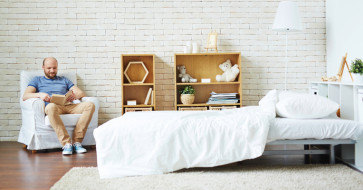
How to Use Guest Bedroom Furniture Ideas for a Functional Guest Room
October 02, 2026