1. Why Open Concept Feels Like a Dream (and a Puzzle)
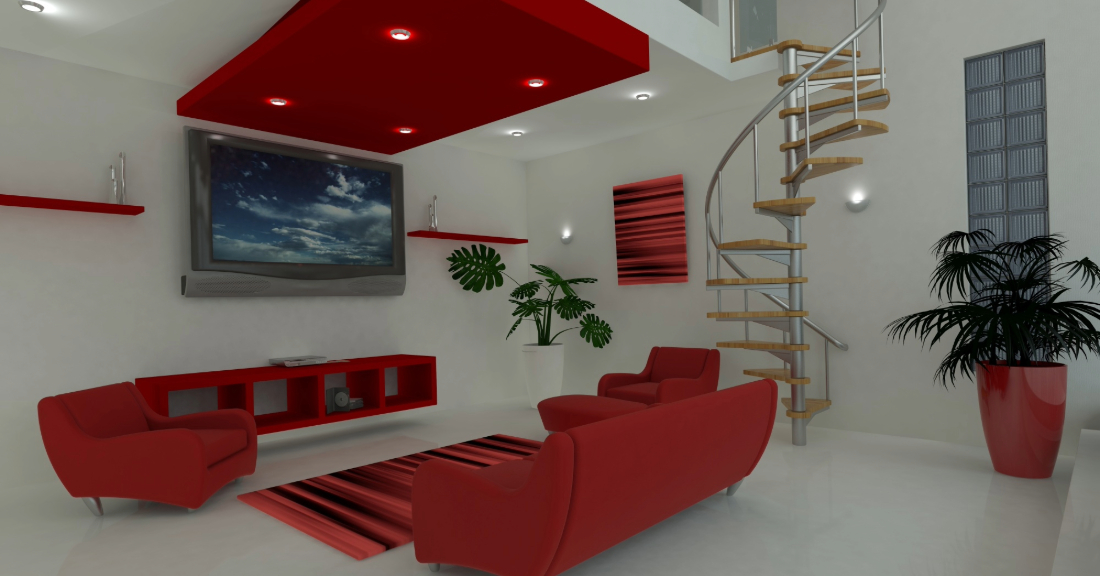
An open concept home can feel like freedom — sunlight bouncing across rooms, conversations flowing from kitchen to living room without shouting, and plenty of space to breathe. But the very thing that makes it beautiful can also make it tricky: where does one “room” stop and the other begin? The key is creating invisible boundaries without actually putting up walls. And that all comes down to your furniture layout.
2. Zoning with Purpose
In an open space, your furniture is your map. Use sofas, rugs, and even bookshelves to define “zones” — a living area here, a dining space there, and maybe a cozy reading nook by the window. A sectional sofa, for example, can double as a soft divider between the lounge and dining area. Rugs are magic here too: they anchor each space, visually signaling where one activity begins and another ends.
3. The Flow Factor
You want your home to feel open, but not like you’re navigating an obstacle course. Arrange furniture so there’s a natural, intuitive path through the space — no awkward detours around coffee tables or dining chairs. Keep walkways clear, and think about how you actually live: Do you usually carry food from the kitchen to the sofa for movie night? Then make sure that route feels effortless.
4. Statement Pieces as Anchors
In a big, open room, furniture can sometimes feel like it’s “floating” without purpose. That’s where statement pieces come in. A bold dining table, a beautiful oversized sofa, or even a striking armchair can give a sense of grounding. Once you’ve got your anchor piece, arrange smaller items around it — side tables, ottomans, accent chairs — so they feel like part of a thoughtful grouping instead of random islands.
5. Flexibility for Real Life
The best part about open concept layouts? They can evolve with you. Maybe your dining area turns into a homework station during the school year, or your reading nook becomes the holiday gift-wrapping corner in December. Choose furniture that can adapt — extendable tables, nesting coffee tables, lightweight chairs you can move in a pinch. That way, your open concept stays as flexible as your lifestyle.