1. Think About How You Actually Live
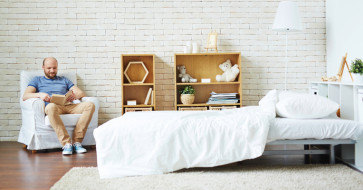
Before you start dragging sofas around or pulling out measuring tape, take a moment. Think about how you really use the space—not how you should use it. Do you always curl up in one corner to read? Do your friends gather in the kitchen but spill into the living room? Maybe your kid’s toys somehow migrate into every room?Arranging furniture isn't about achieving perfection—it’s about creating a space that supports your everyday life. Let your real habits lead the design. A cozy chair near a window for your morning coffee might serve you better than a Pinterest-worthy reading nook you never touch.
2. Anchor the Room with Intention, Not Just Size
We often think the biggest piece of furniture should go on the biggest wall. But size doesn’t always equal importance. What’s the heart of the room? In a living room, that might be the fireplace, the view, or even the TV (no shame in that!). Let that feature guide how everything else flows.Center you’re seating around the action. Don’t be afraid to float furniture off the walls—a rug or coffee table can act as a visual anchor, pulling the whole arrangement together and making the room feel intentional, not just filled.
3. Conversations Need Breathing Room
It’s tempting to arrange furniture for how a room looks from the doorway. But try sitting in the space. Can people talk without shouting across the room? Is there somewhere to set a drink? Does traffic flow easily without people doing gymnastics over ottomans?Ideally, create little "conversation pockets"—two chairs angled toward a couch, or a bench near a window paired with a floor lamp. These setups invite people to sit, chat, and connect. That’s what furniture is really for, isn’t it?
4. Play With Balance, Not Just Symmetry
Symmetry is pleasing, sure—but perfect matching can feel stiff. Instead, aim for balance. That might mean a big sectional on one side, and a group of two chairs with a lamp on the other. Or pairing a chunky coffee table with an airy chair to offset its weight.And don't forget vertical balance. If everything is low to the ground, the room feels squat. Mix in a tall bookshelf, floor lamp, or statement art piece to draw the eye upward.
5. It’s Okay to Rearrange—Often
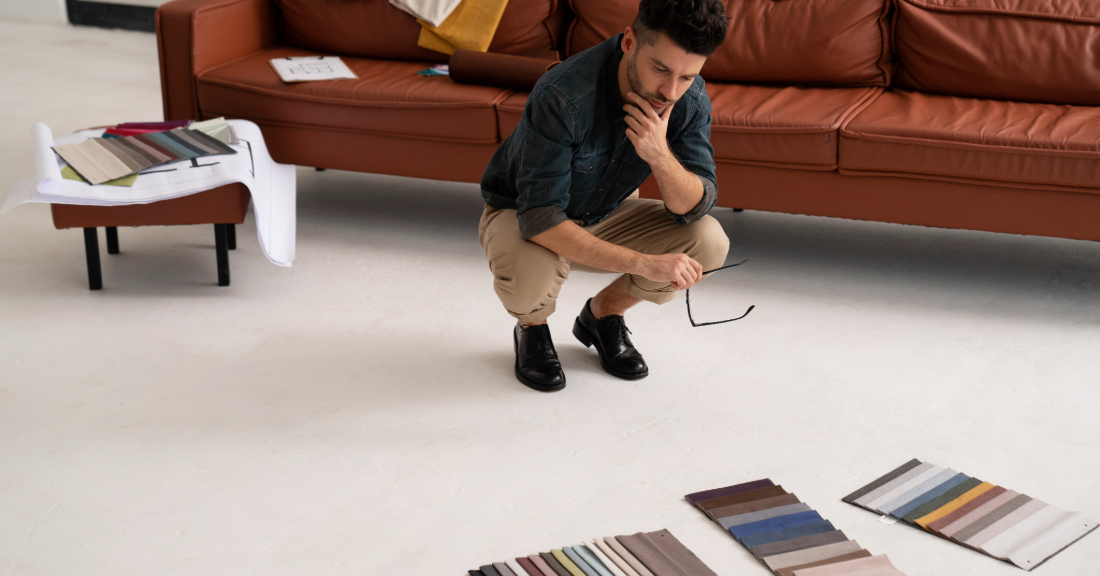
Here’s the truth: No layout is final. Life changes, seasons shift, your needs evolve. So should your space. Sometimes a tiny tweak—turning a chair, swapping side tables, adding a rug—can make a space feel brand new.Give yourself permission to experiment. Move things around just because. Your home isn’t a showroom; it’s a living, breathing part of your life. Let it grow with you.