There’s a difference between furniture you own and furniture you inherit, even if you bought it yourself, brand new, last year. Some pieces are built to be temporary. You know it the moment you assemble them. And then there are pieces that feel like they were always going to be part of your life, the kind you can already picture your kids arguing over one day. A traditional dresser tends to fall into that second category. It doesn’t just hold your clothes. It holds a kind of permanence that a lot of modern furniture quietly gave up somewhere along the way.
We hear many of the same stories from families throughout Santa Maria at Shop R&R: a bedroom that looks 'furnished' but somehow doesn't feel like it. Not for any reason, but because it was never really their thing. It's weird to say about furniture, but it does occur more than you'd likely think. But it's usually the old-school guys who are dressed up, big on detail, and nonchalant who get the deal.
Why traditional design still feels right, even now
Despite the many decades of minimalism trends that have arisen to replace traditional furniture design, there is a reason for that. Traditional dressers speak the "language" of design which most of us can instantly recognise, although we may not have been able to put our finger on it: the moulding, the symmetry, the feeling that each line was designed to serve a purpose, not left unadorned for simplicity's sake. Louis Philippe detailing, for example, goes back to a mid-19th-century attitude toward furnishings; one that was never too much, but was always more. Elegant but not distracting rounded corners, graceful curves, moulded panels: this balance is a good reason it is still considered timeless rather than dated. It does not call out for attention; it's just quietly a part of the scene.
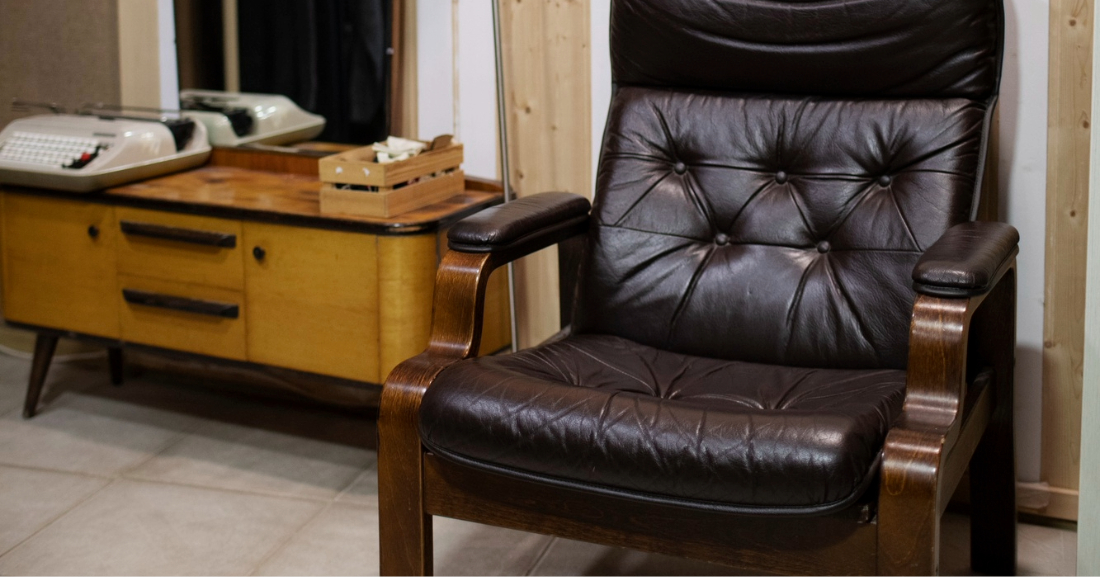
The deep, rich finish is similar on the emotional level. A lighter, blonder wood can look airy and casual, but if it is more substantial, it can look like it's taking a stance. Warm. The type of furniture that makes the room feel "real" or "natural" instead of "set up.The furnishings that create the "real" or "natural" feel in the room as opposed to "set up. That warmth is comforting because in Santa Maria we instinctively know there's weight and history in these deep colours, even if the piece is new. That's why a worn leather chair is more inviting than one still encased in plastic.
Santa Maria homes carry their own kind of memory
There's something special about permanency here at Santa Maria that we can say with delicacy: Permanence is a characteristic that we have. This is land that has been farmed or ranched on for generations; these are neighbourhoods that have been lived in for generations; and these are Saturday afternoons that revolve around a Santa Maria–style barbeque that probably began decades ago by some old man's grandfather. Here there is a rhythm to life, one that is not ‘trend chasing.' People decorate their homes as they do their lawn: for long-term use, not a season.
More than you might realise, the context is important. A traditional dresser will seamlessly blend into rooms that are expecting furniture to last for many years. A lot of the time, one comes into a house and finds something left behind, refinished one or two times, and still serving its purpose over 20 years later. Logical Santa Maria dresser purchasing is not really about a look. It's about doing something, getting a piece of furniture started on a life that may extend beyond the buyer's lifetime.
What people are actually looking for, underneath the practical need
Set out asking someone why he or she would want a new dresser, and he or she will almost certainly provide you with a practical answer. Space, space, space, it's not the same one anymore! Such reasons exist, but they're usually not the only ones. Below them, there will generally be something more like:
- Wanting a bedroom that finally feels finished, not just furnished.
- Replacing a piece from an earlier, less settled chapter of life such as a first apartment or a starter home, with something that feels like it belongs to who they are now.
- Preparing a room for a child or grandchild and wanting it to feel intentional rather than hastily assembled.
- Simply wanting to walk into their own bedroom and feel a small sense of calm, rather than clutter or mismatch.
- Honouring a family style; a home that’s always leaned traditional, instead of introducing something that clashes with everything around it.
None of these is really about the dresser itself. They’re about what the dresser lets a room, and by extension a life, finally feel like.
The quiet psychology of “matching everything”
There’s a specific kind of relief that comes from a room where the furniture agrees with itself. Mismatched pieces, even nice ones, create a low hum of visual tension most people don’t consciously register — but they feel its absence the moment it’s resolved. Traditional dressers, because their design language is so established and consistent, tend to solve this almost automatically. Put one next to a traditional bed frame or nightstand, and it doesn’t compete for attention. It settles in.
This matters more in a bedroom than in almost any other room in the house. A living room can absorb a little visual chaos as it’s a shared space, built for activity and conversation. A bedroom isn’t. It’s the one room in the house that’s supposed to slow your mind down at the end of the day, and clutter or mismatch works directly against that. A traditional dresser, solid and familiar in its form, becomes part of the room’s quiet rather than a distraction inside it.
Nostalgia is doing more work here than we usually admit
It's a no-brainer: a lot of the allure of traditional furniture is nostalgia, and there's nothing wrong with that. Nostalgia is not a tint of sentimentality but a reality. It is a psychological anchor that lets one look back on the past and find comfort to ground the present. The traditional dresser, which features moulding and a deep finish, may be a reflection of furniture people saw in their youth: a grandmother's bedroom, a family house, “home” before the troubles of adult life. There is no copying and pasting when it comes to bringing that shape to your own space. It's about bringing a feeling with you, on your own terms, into a room just for you!
It's a fundamental element in how a work such as the Alisdair Dresser resonates. It's not looking to change what a dresser is. It's embracing what a dresser is all about: storage, stability, warmth and a sort of anchor for a room designed for rest.
A dresser is furniture you live around for years, not months
The furniture is replaced in most cases in accordance with trends or wear and tear. Traditional dressers are not influenced by this cycle. The design is not fleeting and doesn't lose its relevance like a fashion. A good old-fashioned dresser will probably not look dated, vintage, or out of place in a bedroom setting ten years from now. That sort of longevity provides one less decision than people think. You won't end up in that bedroom five years later saying that it's time to get another dresser. That's what it does, and that's what it's supposed to do for as long as it's needed.
Where this leaves you, if you’re furnishing a Santa Maria bedroom right now
If you’re in the middle of that process, choosing pieces for a room that’s supposed to feel settled, not just filled, then it’s worth pausing on what you actually want that room to feel like in ten years, not just this season. Traditional furniture tends to answer that question better than almost anything else, because it was never designed to expire.
Shop R&R’s Alisdair Dresser was built around exactly that kind of permanence. The moulded detail, the deep, warm finish, the quiet confidence of a piece that doesn’t need to compete with anything else in the room to belong there. Take a look at the Alisdair Dresser here, or stop by our showroom in Arroyo Grande. We proudly serve Santa Maria and the surrounding Central Coast, and let us help you find the piece your bedroom has been waiting for.