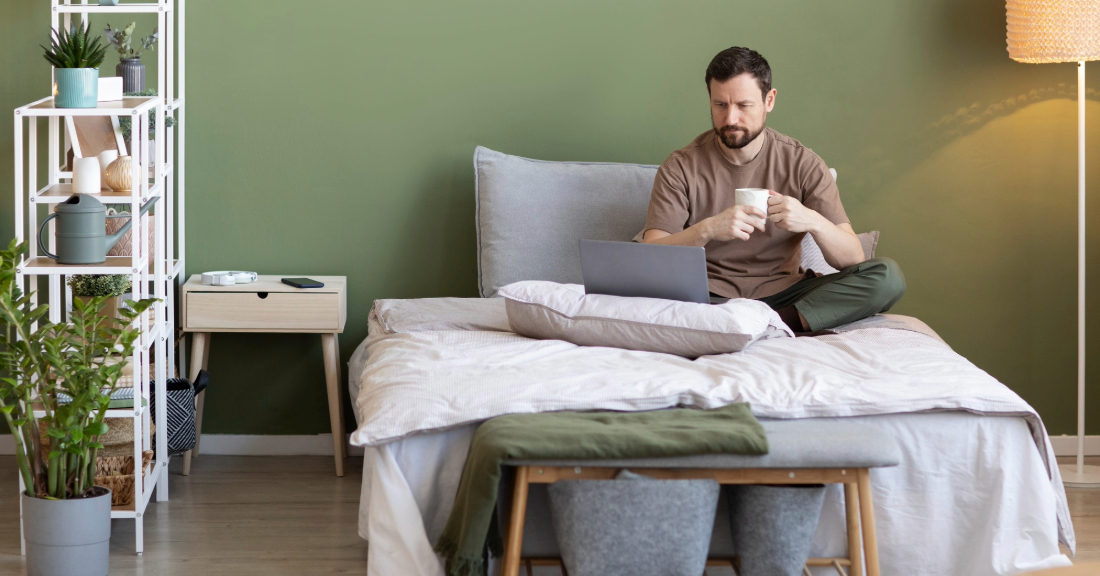
Small bedrooms have a way of making you think twice before bringing anything new into the room. You see a dresser you like, then wonder where it will go. You find a beautiful nightstand, but it leaves barely enough space to walk past the bed. Before long, decorating starts to feel more like solving a puzzle.
But a small bedroom can still be comfortable, practical, and inviting. You just have to be a little more thoughtful about the furniture you bring into it. Instead of choosing pieces simply because they look good, think about how they will fit into your room and how you will use them every day.
The right furniture should make your bedroom easier to live in, not make you constantly move things around.
Start With the Bed You Actually Need
There is no getting around it—the bed takes up most of the space in a bedroom. That makes it the best place to start when planning a smaller room.
Take a good look at the space before choosing a bed. Measure the room, check where the doors and windows are, and leave enough room to comfortably get in and out of bed. Sometimes choosing a simpler frame can give you those extra few inches that make the entire room feel less crowded.
Storage can also be built into the decision. A bed with useful space underneath can hold spare blankets, pillows, luggage, or seasonal clothing. That means fewer things sitting in the corners or taking up space in another part of the room.
Choose a Nightstand That Fits Your Routine
You probably do not need a huge nightstand. Most people only need enough room for a lamp, phone, book, glasses, or a glass of water.
Think about your own bedtime routine. If you like keeping things hidden, look for a nightstand with a drawer. If you prefer having books or a few decorative items within reach, an open shelf might make more sense.
The important thing is to avoid choosing furniture just because there is technically enough room for it. A nightstand should fit comfortably beside the bed and leave you enough space to move around without bumping into it every morning.
Make Every Storage Piece Count
When a bedroom is small, storage becomes less about having more furniture and more about making better choices.
A dresser with several useful drawers can take care of clothing without needing extra storage cabinets. Tall furniture can make use of vertical space, while under-bed storage can handle things you do not need every day.
It is also worth thinking about what you actually own. There is no benefit in choosing an enormous dresser if you only need a few drawers. Pick storage according to your belongings and your habits.
When everything has a place, even a small bedroom can feel surprisingly easy to keep organized.
Leave Some Room Around Your Furniture
One of the easiest mistakes in a small bedroom is trying to use every available inch. An empty area can feel like wasted space, so it is tempting to fill it with another table, chair, or storage piece.
Try resisting that temptation.
Leaving some open floor around your main furniture can make the room feel larger and much easier to move through. Pay attention to the size of each piece and how it relates to everything around it. A large dresser beside a large bed can quickly make the room feel heavy.
You do not need to fill every corner for the bedroom to feel finished. Sometimes less furniture actually makes the pieces you love stand out more.
Add Comfort Without Adding Clutter
Once the practical pieces are in place, give the bedroom some personality. This does not mean covering every surface with decorations.
A comfortable rug, soft bedding, a warm lamp, or a favorite piece of artwork may be enough to make the room feel personal. Choose a few things you genuinely like rather than adding items simply because there is an empty spot.
Ultimately, smart furniture choices are about making the most of what you have. A small bedroom does not need oversized furniture or complicated decorating tricks. It needs pieces that fit the room, serve a purpose, and make your daily routine a little easier.
When your furniture works with the space instead of fighting against it, even a compact bedroom can feel comfortable, organized, and completely your own.