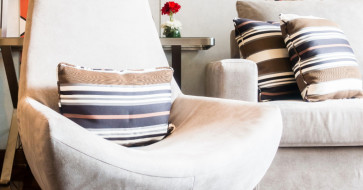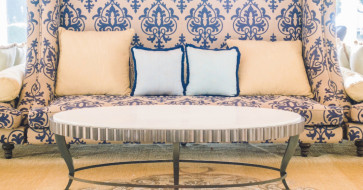
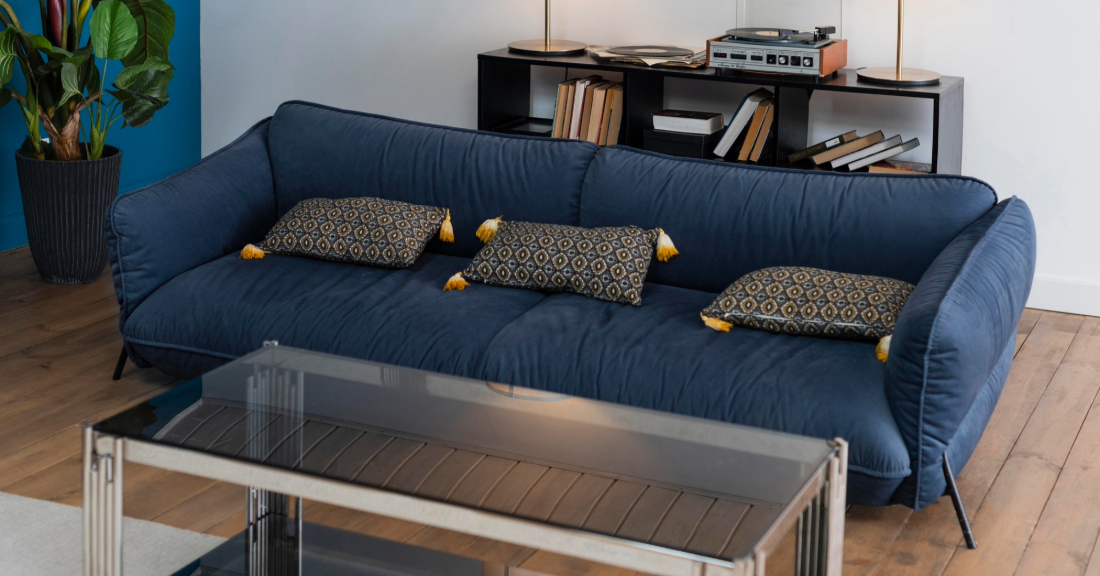
A home does not need a redesign to feel fresh and welcoming. Often the best changes come from using furniture styles on the floor and adding a few thoughtful details. An old wooden cabinet, a sofa, patterned cushions and handmade ceramics can work wonderfully together when their colours, textures and proportions complement one another.
A collected home brings a variety of styles together without forcing everything to match. By paying attention to colour, scale and placement the homeowner can give familiar rooms a fresh personality without costly or disruptive renovation.
Start With What You Own
Before buying anything new, look closely at the furniture and accessories already on hand. A wooden dining table, an inherited sideboard or a simple armchair may have more potential than the homeowner realizes. These pieces can serve as the foundation for a room that feels personal and welcoming.
Identify the items that the homeowner wishes to keep and consider their shape, material, colour and purpose. A traditional table might pair well with chairs while a neutral sofa can provide a backdrop for colourful textiles. Allow the favourite pieces space to stand out instead of cluttering every surface with decorations.
Mix Furniture Styles With a Sense of Balance
Combining Furniture Styles can make a room feel unique as long as some visual consistency is maintained. A contemporary coffee table can complement a sofa while a traditional cabinet can add warmth to a modern interior. Shared colours, materials or proportions help connect contrasting pieces.
Consider the atmosphere that the homeowner wishes to create. Natural. Soft upholstery suits a relaxed interior while darker finishes and bold patterns can make a room more expressive. Proportion matters, too. A large cabinet may overwhelm a room if surrounded by bulky furniture so balance it with lighter pieces and open space.The homeowner does not need a ratio of old to new furniture. Repeating a few colours or finishes throughout the room creates continuity without making everything look identical.
Layer Textures to Make Rooms Feel Inviting
Texture adds depth when the colour palette remains simple. Smooth timber, woven baskets, linen curtains, wool rugs and soft upholstery introduce visual and tactile qualities without requiring new furniture styles or structural changes.Start with surfaces, such as sofas, curtains and rugs then add smaller details through cushions, throws and decorative objects. A leather chair can feel warmer beside a throw while linen cushions can soften the appearance of polished wood.
Natural materials create contrast through their finishes. Wood grain, stone markings and woven fabrics help a room feel lived‑in rather than overly coordinated. If the space already contains upholstery and a textured rug, introduce smoother surfaces to maintain balance.
Use Prints Without Making the Room Feel Busy
Prints introduce personality especially when the furniture remains relatively neutral. Floral cushions, striped curtains and geometric rugs can coexist when their colours and patterns complement one another.Choose one pattern and use smaller prints to support it. For example a large floral design can work with stripes if both share a few colours. Differences in pattern size create interest while repeated shades help the arrangement feel connected.
Cushions, table runners, artwork and lampshades are ways to experiment without replacing expensive furniture. If a combination feels too busy, change one accessory then redesigning the entire room. Keep surfaces simple when several patterns are already present.
Build a Colour Palette That Connects Everything
Colour helps different pieces feel connected even when they come from periods or collections. A walnut cabinet, cream sofa, muted cushions and black metal lamp can work together when their tones create a consistent visual direction.Begin with two or three colours already present, in the homeowners home. These might come from the flooring, artwork or existing rug. Use them as a guide when choosing fabrics and accessories.
Warm whites, beige, taupe and soft grey give a backdrop for deeper shades such as forest green, burgundy or navy. You can also bring colors through small details. Before buying textiles look at how their colors appear in your room's lighting because natural and artificial light can change how they look.
Give Your Kitchen Character Without Replacing the Units
A kitchen can feel refreshed without replacing kitchen cabinetry especially when the layout and storage still work well. Small changes to the surrounding details can make the space feel more personal while keeping costsReview your current kitchen unit designs. Think about updating kitchen handles, wall color or lighting. Open shelves can display ceramics and glassware adding character without a full renovation.
Materials can also link the kitchen to rooms. Wooden chopping boards, containers, woven baskets and textured runners soften smooth surfaces. Traditional accessories can complement cabinets while simple modern lighting can bring freshness to a classic kitchen.
When considering kitchen unit designs, think about how kitchen unit designs colors and finishes relate to the surrounding living or dining area. Repeating a wood tone or metal finish can create continuity in open-plan homes. Keep work surfaces easy to clean with frequently used items within reach.
Arrange Accessories With Intention
Accessories bring a room together. Their placement matters more than their number. Books, framed photographs, pottery and lamps can show your interests while reinforcing the colors and materials already present.On a coffee table combine a stack of books with a ceramic bowl or vase. On a sideboard artwork can provide a backdrop for a lamp and a few personal objects. Varying the height and shape of these items creates interest without making the arrangement feel crowded.
Travel finds, inherited pieces, handmade ceramics and framed memories can make an interior feel more personal than decorations chosen to follow a trend. Leave some surfaces clear in smaller rooms so the objects you keep have room to stand out.
Make Changes Gradually. Let the Room Evolve
A collected home develops over time as you discover what works and add pieces that suit your needs. A gradual approach also helps prevent purchases and decisions based on temporary trends.Start with one area, such as a living room corner, dining table or kitchen shelf. Rearrange existing furniture, experiment with textiles or move artwork between rooms. Live with the changes for a day before deciding whether anything else is needed.
The right furniture styles, textures and prints should reflect how you live rather than follow a rigid decorating formula. If an arrangement feels crowded remove a few accessories. Pair a distinctive piece with something simpler. Small adjustments can make a difference.Ultimately a home feels most welcoming when it reflects the people who live in it. By combining existing belongings, with chosen additions you can create a comfortable individual space without replacing everything or undertaking a major renovation.